

Do Blue Light Glasses Really Help You Sleep? 2 Secrets
Blue light glasses have become one of the most recommended “sleep hacks” online, But with conflicting advice everywhere, many people are left asking: do blue light glasses really help you sleep?. Some people swear they help them fall asleep faster. Others say they didn’t notice much at all.
The truth is: It depends on the type of blue light glasses you’re using and when you use them.
Here’s a clean, honest breakdown based on science, expert opinion, and real-world patterns.
Table of Contents
Why Blue Light Affects Your Sleep in the First Place
Blue wavelengths naturally tell your brain: “Stay awake, stay alert.”
This is great during the day. But at night? It delays your melatonin release the hormone that signals your brain it’s time to sleep.
Screens, LED bulbs, white phone backgrounds, laptop displays all of these keep your brain in “daytime mode.” That’s why you feel awake at 1 AM even when your body is tired. Blue light glasses aim to reduce this evening exposure.
2023 Cochrane review on blue-light filtering lenses
The Two Types of Blue Light Glasses (This Part Actually Matters)
Here’s the biggest misunderstanding: Not all blue light glasses are designed for sleep.
There are two main categories:
1. Clear Blue Light Glasses
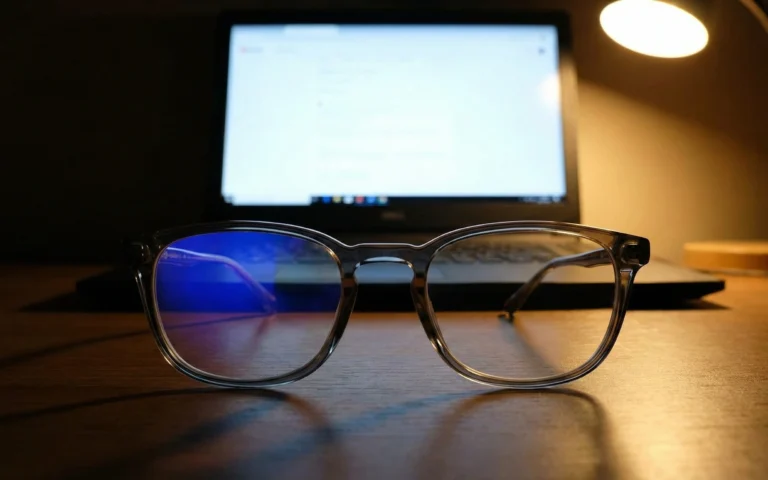
These filter some blue wavelengths, but focus on color clarity.
- What they’re good for: Digital eye strain, office hours, reducing “screen fatigue,” and pairing with Anti-Reflective coatings.
- What they’re NOT good for: Deep sleep support or melatonin protection.
Curious about how these differ from Anti-Reflective lenses? Read our full guide here: [Anti-Reflective vs. Blue Light Blocking: What’s the Difference?]
2. Amber/Yellow Blue Light Glasses
These block significantly more blue light especially the wavelengths linked to melatonin suppression.
- What they’re good for: Nighttime screen use, winding down before bed, and helping your brain shift into “sleep mode.”
- What they’re NOT made for: Color accuracy or photo/video work.
GlaSight Recommendation: Which Should You Use?
At GlaSight, we recommend choosing your lens based on your environment, not marketing terms.
For Office Work (Daytime):
- Choose: Clear Blue Light Lenses.
- Why: These protect comfort and visual clarity without distorting colors.
- Best Paired With: Premium Anti-Reflective coating.
For Sleep Support (Nighttime):
- Choose: Amber/Yellow Blue Light Lenses.
- Why: These filter the melatonin-disrupting wavelengths far more effectively.
- Best Usage: 1–2 hours before bed.
Important: One pair won’t perfectly do both jobs. Day lenses and night lenses have different goals.
Do Blue Light Glasses Actually Help You Sleep?
Yes, if you use amber lenses at night. They reduce the stimulating wavelengths that keep your brain awake longer. Users often report easier wind-down, less “wired” feeling, and faster onset of sleepiness.
No, if you’re wearing clear lenses expecting miracles. Clear lenses are great for comfort and office work, but they’re not powerful enough for deep melatonin support.
And no, they won’t fix:
- Stress
- Caffeine
- Scrolling TikTok for 2 hours in bed
- Inconsistent sleep habits
Glasses support sleep they don’t override your lifestyle.
When to Wear Them for Best Results
Your timing matters more than the glasses. The most effective window is 1 to 2 hours before bed, especially when gaming, watching videos, or using your phone in bed.
Wearing them all day won’t help you sleep faster. Wearing them at night actually can.
Final Verdict: Do They Work?
- Clear lenses: Great for eye comfort, not great for sleep.
- Amber/yellow lenses: Actually useful for winding down and helping your body shift toward sleep.
- Your environment > Your glasses: Blue light glasses work best when paired with warm lighting and relaxing evening habits.
Frequently Asked Questions (FAQs)
Do blue light glasses really help you sleep?
They can help in specific situations. Blue light glasses are most effective for sleep when they strongly filter blue wavelengths and are worn in the evening. Clear blue light glasses mainly improve visual comfort and are less effective for sleep support.
What’s the difference between clear and amber blue light glasses?
Clear lenses filter a small portion of blue light and are designed for daytime comfort and screen use. Amber or yellow lenses block a much higher percentage of blue light, especially wavelengths linked to nighttime alertness, which is why they’re more suitable for evening use.
Can I use one pair of blue light glasses for both work and sleep?
Not perfectly. Clear lenses are better for daytime use because they preserve color accuracy, while amber lenses are better for nighttime use. Expecting one pair to do both jobs equally well often leads to disappointment.
When is the best time to wear blue light glasses for sleep?
The most effective time is 1 to 2 hours before bed, especially when using screens, gaming, or sitting under bright LED lighting. Wearing them all day doesn’t improve sleep outcomes.
Do blue light glasses work if I already use Night Mode on my phone?
Night Mode helps reduce screen brightness and color temperature, but it doesn’t eliminate all blue light. Glasses can provide an additional layer of filtering, especially in rooms with bright lighting.
Why do some people say blue light glasses don’t work for sleep?
Most negative experiences come from using clear blue light glasses and expecting sleep benefits. These lenses are designed for comfort, not melatonin support, which leads to unrealistic expectations.
Will blue light glasses fix poor sleep habits?
No. They support better nighttime conditions but don’t override factors like caffeine intake, stress, inconsistent bedtimes, or long screen sessions. Glasses work best as part of a broader evening routine.


One Comment