
What to Do With Old Prescription Glasses: Donate or Recycle?
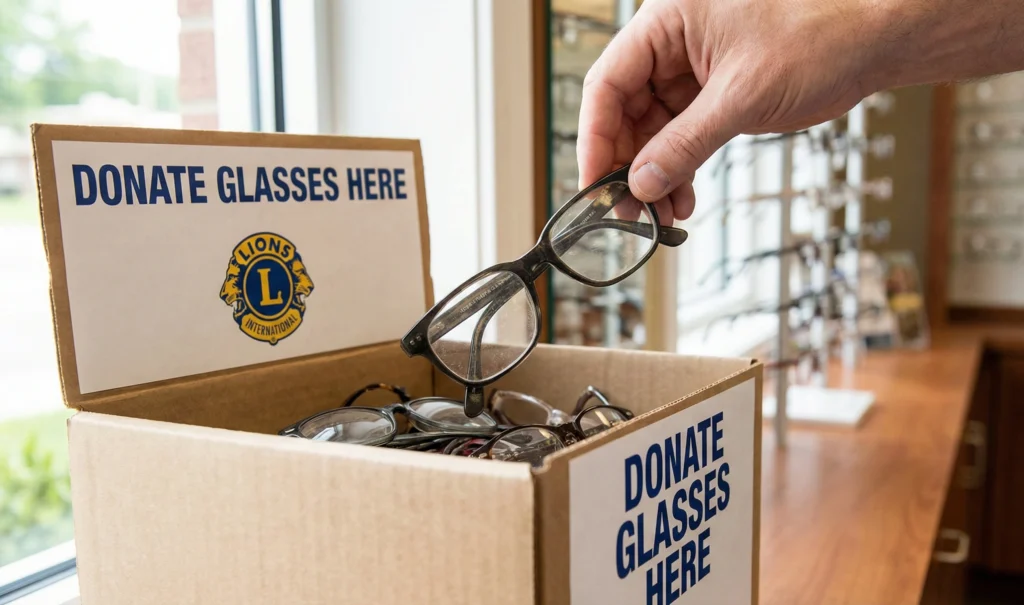
Old prescription glasses have a strange habit of piling up. One pair in a drawer turns into two, then three, and before you know it, you’re holding glasses you haven’t worn in years and wondering what to do with them.
Throwing them away feels wasteful. Keeping them forever feels pointless. And donating them? You’re not always sure where or how.
If you’re asking what to do with old prescription glasses, you’re not alone. Millions of people search for this every year, especially after updating their prescription or switching frames.
The good news: old prescription glasses still have value even if they’re no longer right for your eyes. This guide walks through every practical, responsible, and realistic option, including where to donate prescription glasses, when to reuse them, and when it’s finally okay to let them go.
No medical advice. No exaggeration. Just real options that make sense.
Giving Old Glasses a Second Life
- Don’t Trashem: Old frames are durable and can be refurbished for people in need.
- Keep One Backup: Always keep your most recent old pair in case of emergencies or travel loss.
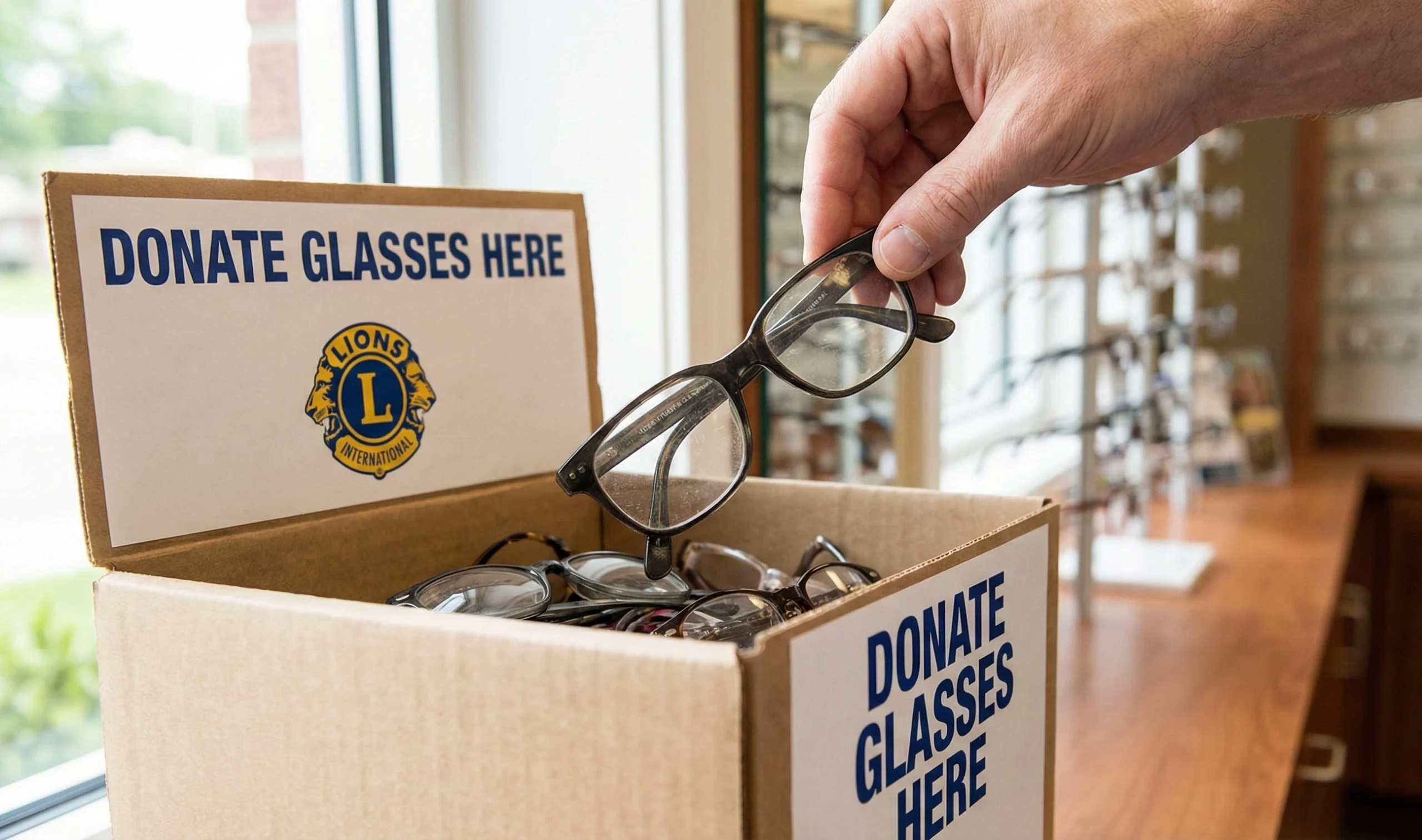
- Where to Donate: Local optical shops, Lions Club drop boxes, and community centers are the best places to drop off old eyewear.
- Reglaze Them: If you love the frame, you can save money by just replacing the lenses with your new prescription.
- Recycle: Metal frames can often be recycled as scrap; lenses usually cannot.
Table of Contents
Why You Shouldn’t Just Throw Old Glasses Away
Before we get into the options, it’s worth understanding why old prescription glasses are worth dealing with properly.
- Glasses are made from mixed materials (plastic, metal, coatings)
- Most lenses don’t biodegrade
- Frames often outlast the prescription inside them
- Many people worldwide still lack access to basic eyewear
Even scratched or outdated glasses can still serve a purpose just not always for you.
That’s why “throw them in the trash” should be your last option, not the first.
Option 1: Keep Old Prescription Glasses as a Backup Pair
This is the simplest and most overlooked option.
Even if your prescription has changed, old glasses can still be useful in emergencies.
When keeping them makes sense:
- Your current glasses break unexpectedly
- You lose your main pair while traveling
- You’re waiting for new glasses to arrive
- You need something temporary at home
They may not be perfect, but they’re often better than nothing.
Pro tip:
Label the case with the prescription year or strength so you don’t mix them up later.
Option 2: Donate Them (The Most Popular Choice)
One of the most searched questions is where to donate prescription glasses, and for good reason. Donation is one of the best ways to give old glasses a second life.
Can you donate glasses with an old prescription?
Yes. Most organizations:
- Sort glasses by prescription
- Replace lenses if needed
- Reuse frames
- Redistribute them where appropriate
Outdated doesn’t mean unusable.
Where to Donate Prescription Glasses (Trusted Options)
Here are common and reliable places that accept old prescription glasses:
1. Nonprofit Vision Organizations
Many nonprofits collect glasses year-round through drop-off boxes or mail-in programs.
The most famous organization is Lions Clubs International. They collect millions of pairs annually through their “Recycle for Sight” program.
They often:
- Refurbish frames
- Re-lens when necessary
- Distribute through clinics or outreach programs
2. Local Optical Stores
Some opticians accept donated glasses, even if they don’t advertise it.
Many large chains participate in donation programs. For example, LensCrafters collects eyewear for the OneSight EssilorLuxottica Foundation
. You can also check with VSP Eyes of Hope for other drop-off locations.
Call ahead and ask:
“Do you accept old prescription glasses for donation?”
Many do.
3. Community Centers & Schools
Local charities, community centers, and schools sometimes run eyewear drives.
These are especially common:
- During back-to-school seasons
- Around holidays
- During health or community events
4. International Aid Programs
Some organizations collect glasses specifically for overseas distribution, where access to eyewear is limited.
They typically accept:
- Adult glasses
- Children’s glasses
- Sunglasses
- Frames only
Option 3: Reuse the Frames With New Lenses
If you love the frame but not the prescription, this is one of the smartest options.
Reusing frames works best if:
- The frame isn’t bent or warped
- Hinges still feel firm
- The style still suits you
- The material is durable
Many optical labs can:
- Remove old lenses
- Fit new prescription lenses
- Add updated coatings
This option is:
- More affordable than buying everything new
- Environmentally friendly
- Ideal if you’ve found a frame that fits perfectly
If you love the frame, just upgrade the glass. Check out our Premium Lenses guide to see what a difference modern coatings make.
Option 4: Convert Them Into Non-Prescription Glasses
Old prescription lenses can be replaced with:
- Clear non-prescription lenses
- Blue-light filtering lenses
- Fashion lenses (no vision correction)
Why people do this:
- Use old frames for screen work
- Create a low-risk travel pair
- Keep a “desk pair” for work
- Turn stylish frames into everyday accessories
This works especially well for bold or unique frames.
Option 5: Give Them to Family or Friends (With Caution)
Sometimes a family member or friend has a very similar prescription.
In those cases, old glasses may be temporarily useful.
Important notes:
- This should only be short-term
- Never treat it as a long-term replacement
- Make sure the fit is comfortable
This option is about convenience, not optimization.
Option 6: Repurpose Old Glasses Creatively
If lenses are unusable but the frame is interesting, repurposing is an option.
Popular non-vision uses:
- Costume accessories
- Photography props
- Desk décor
- DIY projects
- Art or display pieces
Vintage or unique frames are especially popular for this.
Option 7: Recycle Old Prescription Glasses Responsibly
If your glasses are broken beyond use, recycling is the right move.
What can be recycled:
- Metal frames → scrap metal
- Plastic frames → specialty recycling (varies by location)
What usually cannot:
- Lenses (most coatings make them non-recyclable)
Check with:
- Local recycling centers
- Optical stores
- Community recycling programs
Avoid throwing mixed materials directly into household recycling unless instructed.
What NOT to Do With Old Prescription Glasses
Let’s clear up common mistakes.
❌ Don’t throw usable glasses in the trash
❌ Don’t assume old prescriptions aren’t useful to anyone
❌ Don’t hoard endless pairs “just in case”
❌ Don’t donate broken or warped frames
❌ Don’t resell prescription lenses online
Being intentional makes a big difference.
How to Decide the Best Option (Quick Checklist)
Ask yourself:
- Are the frames still in good shape?
- Do I like the frame style?
- Is the prescription close to usable?
- Would someone else benefit more?
- Is donation or reuse more practical?
Your answers will usually point clearly to one option.
Environmental Impact: Why Reusing or Donating Matters
Eyewear production involves:
- Plastics
- Metals
- Coatings
- Energy-intensive manufacturing
By reusing or donating:
- You reduce waste
- You extend product lifespan
- You lower demand for new materials
Even one pair makes a difference.
Frequently Asked Questions
Can I donate scratched prescription glasses?
Light scratches are usually fine. Deep scratches may limit reuse, but frames can still be salvaged.
Do donation centers accept children’s glasses?
Yes. Children’s glasses are often in high demand.
Can I donate sunglasses?
Most organizations accept prescription and non-prescription sunglasses.
Can I donate frames without lenses?
Yes. Many programs reuse frames only.
Is it okay to donate very old prescriptions?
Yes. Prescriptions are often replaced during refurbishment.
Can I throw prescription glasses in the trash?
Technically, yes, you can throw them in the household trash, but it is strongly discouraged. Glasses are made of mixed materials (plastics, metals, glass) that do not degrade easily in landfills. Recycling or donating is a much more responsible choice that prevents unnecessary waste.
Does LensCrafters take old glasses?
Yes. LensCrafters is a major partner of the OneSight EssilorLuxottica Foundation. Most LensCrafters locations have a collection box in the store where you can drop off used eyewear. These glasses are then cleaned, repaired, and distributed to people in need around the world.
Do old glasses expire?
The glasses themselves do not “expire,” but the prescription inside them does. Wearing an outdated prescription can cause eye strain and headaches. Physically, older frames can become brittle over time, and clear lenses may yellow or develop crazing (tiny cracks) in the coating, which reduces clarity.
Who collects old eyeglasses?
The most famous organization is Lions Clubs International, which collects millions of pairs annually through their “Recycle for Sight” program. Other major collectors include OneSight, New Eyes for the Needy, and VSP Global. Many local libraries, places of worship, and independent optical shops also host collection boxes for these groups.
Final Thoughts: Old Glasses Still Have Value
If you’re wondering what to do with old prescription glasses, the answer is almost never “nothing.”
You can:
- Keep them as backup
- Donate them responsibly
- Reuse the frames
- Repurpose creatively
- Recycle thoughtfully
Each option has value depending on condition, convenience, and intention.
Instead of letting old glasses collect dust, choose the path that makes the most sense for you and for others.